
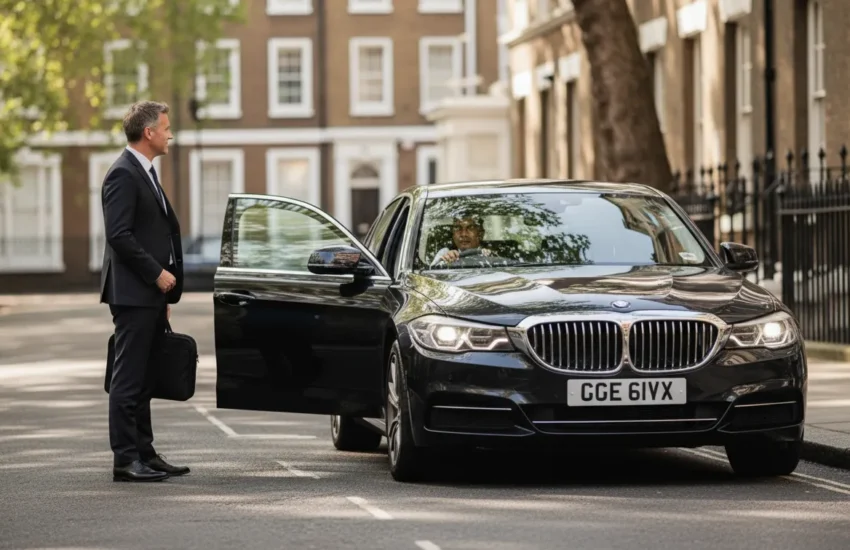
Executive Summary
Pre-booked minicabs, or Private Hire Vehicles (PHVs), form a critical part of London’s transport network. Unlike black taxis, they cannot legally pick up passengers on the street and are strictly regulated by Transport for London (TfL).
This guide explains:
- The licensing requirements for drivers and operators
- Vehicle safety, accessibility, and maintenance rules
- Booking obligations and passenger protections
- Legal consequences of non-compliance
- How to identify licensed minicabs and avoid illegal operators
Understanding these rules ensures passengers travel legally, safely, and with confidence, while reinforcing the authority of licensed providers.
What Are Pre-Booked Minicabs and Why Are They Regulated?
Pre-booked minicabs are PHVs that must be booked in advance through a licensed operator. TfL regulates them to:
- Ensure passenger safety and legal compliance
- Maintain high service standards
- Prevent illegal, unlicensed operations
- Track journeys for accountability and traceability
Reference: Transport for London, PHV Licensing Guidance
Who Must Be Licensed to Operate Pre-Booked Minicabs?
Which Drivers Are Legally Allowed?
Drivers must hold a TfL PHV driver license, which requires:
- Criminal background check (DBS)
- Medical fitness certification
- Proof of right to work in the UK
- Completion of driver training courses
- Knowledge of TfL rules and regulations
Drivers cannot operate without this license, even if the vehicle is licensed.
Which Operators Are Legally Allowed?
A PHV operator license ensures the business:
- Books only licensed drivers and vehicles
- Maintains accurate records of all journeys
- Provides insurance and vehicle compliance
- Follows TfL reporting requirements and enforcement actions
Reference: Transport for London, PHV Operator Guidance
What Are the Vehicle Legal Requirements?
How Must Vehicles Be Maintained and Inspected?
TfL requires that every PHV vehicle:
- Pass regular safety inspections at approved garages
- Comply with emission and environmental standards
- Maintain seatbelts, child seats, and wheelchair accessibility
- Be clean, roadworthy, and operational at all times
What Happens if a Vehicle Fails Inspection?
- The vehicle may be suspended from operation
- Repairs must be completed before returning to service
- Repeated non-compliance can result in license revocation
Reference: Transport for London, Vehicle Standards for PHVs
How Must Pre-Bookings Be Handled Legally?
- All journeys must be booked through a licensed operator
- Operators must record booking details including driver, vehicle, passenger, and journey times
- Pre-bookings create traceable, auditable journeys, essential for passenger protection and TfL compliance
- Drivers cannot solicit street hails, which would violate the law
Are Online Booking Platforms Regulated?
Yes. App-based ride-hailing platforms (e.g., Uber, Bolt) must operate as licensed PHVs:
- Drivers must be TfL-licensed
- Operators must comply with journey recording, insurance, and safety rules
Reference: Transport for London, PHV App Guidance
What Are Passenger Rights Under Legal Rules?
Passengers are entitled to:
- Travel in licensed PHVs only
- Access wheelchair-accessible vehicles when required
- Request child seats if needed
- Rely on upfront, fixed fares when offered
- Report complaints to TfL if rules are violated
How Is Compliance Enforced?
What Tools Does TfL Use?
- Routine audits of operators and drivers
- Vehicle spot checks for licensing marks and safety compliance
- Investigation of passenger complaints
- Enforcement actions: fines, license suspension, or revocation
Why Enforcement Matters
- Ensures passengers receive safe, legal transport
- Removes illegal operators from the market
- Maintains the credibility and authority of licensed minicab services
Reference: Transport for London, Compliance and Enforcement
How Can Passengers Identify Legally Compliant Minicabs?
Passengers should check:
- Driver ID badge issued by TfL
- Vehicle license plate clearly displayed
- Operator information in booking confirmation
- Only accept vehicles pre-booked through licensed operators
What Risks Exist with Unlicensed Vehicles?
- No insurance protection in accidents
- Unverified driver background
- Potential for overcharging or unsafe practices
- Lack of recourse if complaints arise
What Are the Legal Consequences for Operators or Drivers Who Break the Rules?
- Drivers operating without a license may face fines, disqualification, or criminal charges
- Operators breaching TfL rules risk fines, suspension, or permanent license revocation
- Persistent violations may lead to criminal prosecution
These laws create a safe, traceable, and regulated system for passengers.
Why Understanding Legal Rules Matters for Passengers
- Ensures you choose licensed operators and drivers
- Protects you from illegal or unsafe services
- Enhances confidence in vehicle standards and journey reliability
- Supports TfL’s goals of safety, accountability, and passenger protection
By knowing these rules, passengers reinforce the authority of licensed providers and contribute to high-quality, safe transport experiences.
